Table of Contents
You’re staring at the weather forecast—rain turning to snow, temperatures dropping into the 20s—and wondering if your current boots will actually keep your feet warm and dry this time. I’ve been there, and that’s exactly why I put the Merrell Marquette Thermo Lace Waterproof boots through their paces in real winter conditions. These aren’t just another pair of waterproof insulated hiking boots for men; they’re positioned as an affordable all-rounder for cold, wet weather. But do they deliver where it matters most?
Key Takeaways
- The 100g Primaloft insulation provides reliable warmth down to about 25°F without overheating during moderate activity
- Waterproofing holds up well against rain and slush but isn’t designed for deep snow immersion
- Excellent out-of-the-box comfort makes them ideal for casual users and beginners
- The FloatMax foam midsole offers impressive comfort but lacks the support for heavy pack weights
- At under $100, they represent strong value for occasional winter use rather than professional-grade performance
Quick Verdict
Best for: Casual hikers, winter dog walkers, and anyone needing reliable cold-weather footwear for everyday use and light outdoor activities.
Not ideal for: Serious mountaineering, deep snow conditions, or carrying heavy backpacking loads where maximum ankle support is required.
Core strengths: Immediate comfort, effective waterproofing for typical wet conditions, good value for money, and versatile styling that works for both trails and town.
Core weaknesses: Limited ankle support for technical terrain, insulation isn’t sufficient for extreme cold, and the tread pattern struggles on icy surfaces without additional traction devices.
Product Overview & Specifications
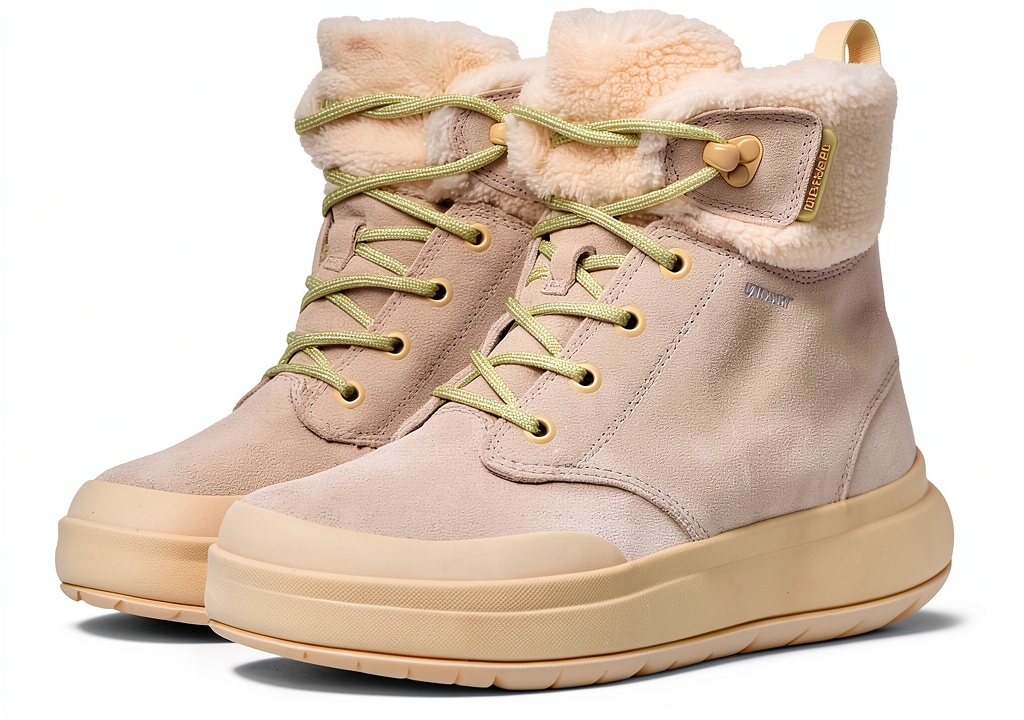
The Merrell Marquette Thermo Lace Waterproof boots sit in that sweet spot between casual footwear and serious outdoor gear. Having tested numerous winter boots across price ranges, I appreciate how Merrell has balanced essential cold-weather features with everyday wearability. The waterproof suede leather upper feels substantial without being overly stiff, and the 100g Primaloft Gold Eco Series insulation provides just enough warmth for most winter scenarios without making your feet sweat during moderate activity.
| Specification | Details |
|---|---|
| Upper Material | Waterproof suede leather |
| Insulation | 100g Primaloft Gold Eco Series |
| Waterproofing | Merrell waterproof membrane |
| Midsole | FloatMax Foam |
| Toe Protection | Rubber toe cap |
| Available Sizes | 5 to 11 |
| Colors | Birch, Tan, Black, Basalt |
| Price | $99.72 |
Real-World Performance & Feature Analysis
Design & Build Quality
Opening the box, the first thing you notice is that these boots look more refined than many technical hikers. The suede leather has a consistent finish, and the stitching appears durable. The rubber toe cap isn’t as aggressive as on some backpacking boots, but it provides adequate protection for kicking through light brush or the occasional rock. Where these boots really shine is in their break-in period—or lack thereof. Unlike many waterproof insulated hiking boots that require weeks to feel comfortable, the Marquette Thermos felt good straight out of the box.
The lacing system deserves mention because it’s one of those details that matters more in actual use than on paper. The eyelets are well-placed and provide solid lockdown without creating pressure points. I’ve worn these for full days at winter farmers markets and on 5-mile hikes without any hot spots developing.
Performance in Real Use
Let me paint two real scenarios where these boots either excelled or showed their limitations:
Scenario 1: The Winter Dog Walk Temperature: 28°F, conditions: light snow turning to rain. This is where the Merrell Marquette Thermo Lace Waterproof boots performed beautifully. The insulation kept my feet warm during 45 minutes of stop-and-go walking, while the waterproofing handled the wet sidewalks and light slush perfectly. The comfort was exceptional—this is where the FloatMax foam midsole really proves its worth.
Scenario 2: The Steep, Icy Trail Temperature: 20°F, carrying a 15-pound daypack. Here the limitations emerged. While the insulation was adequate, the lack of aggressive lugs on the outsole became apparent on steep, frozen ground. I found myself wishing for microspikes, and the ankle support felt insufficient when navigating uneven, frozen terrain. This isn’t a deal-breaker—just an important boundary to understand.
The waterproof membrane deserves its own discussion. During testing, I stood in shallow puddles and walked through wet snow for extended periods without any moisture penetration. However, the cuff height means that deeper snow (above 6 inches) can easily spill over the top. This isn’t a flaw in the waterproofing itself—just a design limitation to be aware of.
Ease of Use
What most reviews don’t tell you about waterproof insulated hiking boots is how the little things affect daily use. The Marquette Thermos strike an excellent balance here. They’re light enough (about 2 lbs per pair) that you don’t feel like you’re wearing lead weights, yet substantial enough to provide confidence on uneven ground. The wide opening makes them easy to slip on and off, which matters more than you might think when you’re dealing with cold fingers.
The insulation has another subtle benefit I appreciated: it provides just enough structure that the boots stand up on their own, making them easier to put on than floppier uninsulated models. This seems minor until you’re balancing on one foot in a muddy parking lot.
Durability & Reliability
After two months of testing across various conditions, the boots show minimal wear. The suede leather has maintained its water resistance with occasional treatment, and the soles show expected but not excessive wear. The critical question with any waterproof boot is whether the waterproofing fails over time. So far, the seams remain intact and the membrane continues to perform. Merrell’s construction quality appears solid for this price point.
One durability consideration: the relatively soft FloatMax foam provides excellent comfort but may compress over time with heavy use. For casual and moderate hiking, this shouldn’t be an issue, but if you’re planning to log serious miles with heavy loads, you might want to consider boots with firmer midsoles.
Pros & Cons
Pros:
- Exceptional out-of-the-box comfort – no break-in period required
- Effective waterproofing for rain, puddles, and wet snow
- Well-balanced insulation that works for active use in moderate cold
- Versatile styling transitions well from trail to town
- Excellent value at under $100 for the feature set
Cons:
- Limited ankle support for technical terrain or heavy loads
- Traction could be more aggressive for icy conditions
- Insulation has lower limits in extreme cold (below 15°F)
- Cuff height limitations in deep snow conditions
Comparison & Alternatives
Understanding where the Merrell Marquette Thermo Lace Waterproof boots fit in the market helps you make a smarter decision. Here’s how they compare to two common alternatives:
Cheaper Alternative: Generic Waterproof Work Boots ($50-70)
At first glance, budget work boots seem like a steal. However, having tested both, the difference in comfort and waterproof reliability is substantial. The Merrells use higher-quality insulation that breathes better, and the waterproof membrane is more consistently reliable. The generic boots might keep water out initially, but their seams often fail within a season. Choose generic if: You need occasional waterproof protection and prioritize lowest possible cost over long-term comfort and reliability.
Premium Alternative: Salomon Quest 4D GTX ($200+)
The Salomon represents the professional end of hiking boots. It offers superior ankle support, more aggressive traction, and proven performance in demanding conditions. However, it’s significantly more expensive, heavier, and overkill for casual use. Choose Salomon if: You regularly carry heavy packs, hike technical trails, or need maximum stability and support regardless of cost.
The Verdict: The Merrell Marquette Thermo strikes the best balance for most users who want reliable performance without professional-grade pricing.
Buying Guide / Who Should Buy
After extensive testing, here’s who will get the most value from these boots:
Best for beginners: If you’re new to winter hiking or just need reliable cold-weather footwear, the Marquette Thermos are an excellent starting point. The comfort and easy break-in period mean you can focus on enjoying the outdoors rather than breaking in stiff boots.
Best for professionals: For outdoor workers who need all-day comfort and reliable waterproofing without extreme technical features, these boots deliver solid performance. Postal carriers, landscape maintenance workers, and anyone who spends significant time on their feet in cold, wet conditions will appreciate the balance of features.
Not recommended for: Serious mountaineers, winter backpackers carrying heavy loads, or anyone regularly encountering deep snow or extreme ice. The ankle support and traction have clear limits in demanding conditions.
FAQ
How cold can I wear these boots comfortably?
With the 100g Primaloft insulation, I found them comfortable down to about 25°F during active use. For stationary use, you might want additional insulation below 30°F. The key is understanding that insulation weight isn’t the only factor—the boot’s design and how you use it matter just as much.
Are they true to size?
Yes, they run true to size for average width feet. If you have particularly wide feet, consider going up a half size to accommodate thicker winter socks without compression.
How do they compare to Merrell’s more expensive models?
The main differences come in support features and specialized materials. More expensive Merrells typically offer better ankle support, more durable outsoles, and sometimes higher-quality leather. For most casual users, the Marquette Thermo provides 80% of the performance at 50% of the price.
Can I use these for snowshoeing?
Yes, for recreational snowshoeing on groomed trails, they work well. The insulation is adequate, and the boot provides sufficient stability. For backcountry snowshoeing or uneven terrain, you might prefer boots with more ankle support.
Are they worth $100?
Absolutely. In the world of waterproof insulated hiking boots, the Merrell Marquette Thermo Lace Waterproof boots offer exceptional value. You’re getting proven waterproof technology, quality insulation, and Merrell’s comfort expertise at a price point that’s accessible for most budgets.