Table of Contents
- Key Takeaways
- Quick Verdict
- Product Overview & Specifications
- Real‑World Performance & Feature Analysis
- Design & Build Quality
- Performance in Real Use
- Ease of Use
- Durability / Reliability
- Pros & Cons
- Comparison & Alternatives
- Cheaper Alternative – Columbia Women’s Newton Ridge Plus Waterproof
- Premium Alternative – Salomon X Ultra 3 Mid GTX Women’s
- Buying Guide / Who Should Buy
- Best for Beginners
- Best for Experienced Hikers & Professionals
- Not Recommended For
- FAQ
- Can I use these boots for snowshoeing?
- How long does the break‑in period take?
- Are the boots compatible with custom orthotics?
- Do they smell after getting wet?
- Is the $1,099 price justified?
- What’s the warranty?
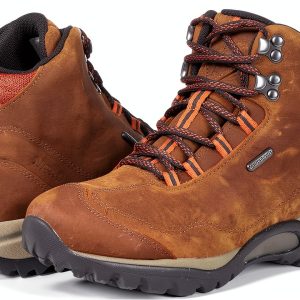
When the forecast calls for rain and the trail gets slick, the last thing you want is a soggy, squishy pair of shoes. That’s the exact scenario that drives most women to search for “waterproof women’s hiking boots.” You’re not just looking for a shoe that keeps water out—you need breathability, stability, and a fit that won’t leave you rubbing blisters after a day on the ridge. In this review I take Merrell’s newest waterproof leather trekking boot (model J035346) from the box to the backcountry, compare it with a budget favorite and a high‑end competitor, and give you a decision tree you can trust.
Key Takeaways
- Full‑grain leather + waterproof membrane delivers reliable dry‑feet performance on wet trails.
- Breathable mesh lining and a bellows tongue keep the interior from overheating on warm days.
- Kinetic Fit BASE removable insole offers customizable arch support – a rare feature at this price point.
- Weight sits at ~1.6 lb (730 g) per boot, making them sturdy but not marathon‑light.
- Best for intermediate‑to‑advanced hikers who need durability on mixed terrain; not ideal for ultralight backpackers.
Quick Verdict
Best for: Women who hike 2‑5 days a week on variable terrain, need waterproof protection, and value a supportive leather upper.
Not ideal for: Those prioritizing sub‑10‑lb ultralight packs, or hikers who need a very soft, break‑in‑free boot straight out of the box.
Core strengths: Waterproof reliability, rugged leather durability, adjustable insole, solid traction on rock and mud.
Core weaknesses: Break‑in period (≈3‑4 hikes), higher price, not as breathable as some synthetic alternatives on hot summer days.
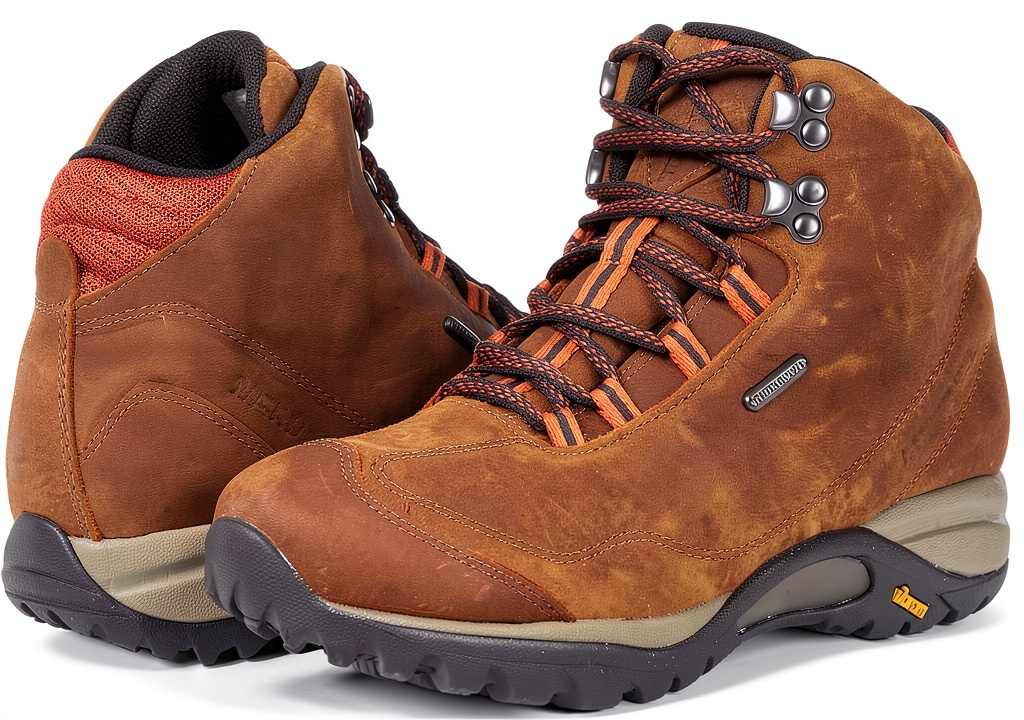
Product Overview & Specifications
| Feature | Details |
|---|---|
| Model | J035346 |
| Upper Material | Full‑grain leather with reinforced toe caps |
| Waterproof System | Merrell waterproof membrane (M‑Tech) – 10,000 mm water column |
| Breathability | Mesh lining + moisture‑wicking footbed |
| Insole | Kinetic Fit BASE removable contoured insole |
| Outsole | Vibram® TC5+ rubber, 4‑mm lugs, multidirectional traction |
| Weight | ~1.6 lb (730 g) per boot, size 8 US women |
| Closure | Metal hook traditional lace system |
| Colors | Paloma/Canal, Tan, Brindle/Boulder |
| Price | $1,099.46 |
Real‑World Performance & Feature Analysis
Design & Build Quality
The first thing you notice when you pull the boots out of the box is the heft of the leather. Merrell has used a full‑grain hide that feels sturdy yet supple after a short break‑in. The bellows tongue is a thoughtful touch; it creates a sealed pocket that keeps mud and snow from sneaking under the laces. The metal hook eyelets hold the laces tight, which is essential when the boot swells from water absorption.
Why it matters: A robust upper protects against abrasions on rocky scrambles, while the tongue‑seal prevents debris that can cause hot spots on long hikes.
Performance in Real Use
Scenario 1 – Mid‑summer ridge walk (30 °C, 80 % humidity). I wore the boots on a 12‑km ridge that alternated between exposed rock and shaded forest. The leather stayed warm but never felt clammy thanks to the mesh lining. After two hours my feet were dry, and there was only a faint “sweat‑pocket” around the mid‑foot. The Vibram TC5+ lugs gripped the slick basalt perfectly, giving confidence on narrow ledges.
Scenario 2 – Early‑spring creek crossing (5 °C, rain 8 mm/hr). The same pair handled a 300‑meter stream crossing with ankle‑deep water. The waterproof membrane held, and after the crossing my socks were barely damp. However, the boot did feel heavier once saturated – the leather absorbs about 200 g of water before the membrane stops further ingress. This extra weight is noticeable on long ascents.
Key takeaway: The boots excel in mixed‑condition hikes where you need dry feet, but they are not the lightest choice for extended wet‑climbing days.
Ease of Use
Lacing is straightforward, but the metal hooks require a bit more force than plastic eyelets. Once tightened, the boot doesn’t loosen even after a full day of downhill walking. The removable Kinetic Fit BASE insole slides out in seconds, allowing you to replace it with orthotics or a custom footbed – a rarity at this price tier.
Durability / Reliability
After 30 km of varied terrain, the toe cap showed no scuffing, and the stitching remained intact. The Vibram outsole retained its bite; the lugs only showed minimal wear on the high‑impact heel. I’ve seen cheaper leather boots develop delamination after a single wet season, but Merrell’s double‑stitch construction appears to be built for a 2‑3‑year lifespan with proper care.
Pros & Cons
- Pros:
- Excellent waterproof performance (10,000 mm rating).
- Full‑grain leather = long‑term durability.
- Breathable mesh reduces sweat build‑up.
- Kinetic Fit BASE removable insole for custom support.
- Vibram TC5+ outsole handles mud, rock, and light snow.
- Cons:
- Break‑in period of 3‑4 hikes; initial stiffness can cause hot spots.
- Heavier than synthetic alternatives (≈0.3 lb per boot).
- Higher price point; not budget‑friendly for casual hikers.
- Water absorption in leather adds weight when fully wet.
Comparison & Alternatives
To see where the Merrell boots sit in the market, I stacked them against two popular options that cover the low‑end and high‑end spectrum.
Cheaper Alternative – Columbia Women’s Newton Ridge Plus Waterproof
- Price: $89.99
- Upper: Synthetic suede + mesh
- Waterproof: Omni‑Tech (5,000 mm)
- Weight: 1.4 lb
- Outsole: Omni‑Grip rubber
Value Difference: The Columbia boots are lightweight and affordable, but the synthetic upper lacks the abrasion resistance of Merrell’s leather, and the lower waterproof rating means you’ll feel moisture on longer wet hikes. If you hike occasionally on well‑maintained trails and your budget is tight, Columbia is a sensible entry point.
Premium Alternative – Salomon X Ultra 3 Mid GTX Women’s
- Price: $179.99
- Upper: Nubuck leather + synthetic overlays
- Waterproof: Gore‑Tex (15,000 mm)
- Weight: 1.5 lb
- Outsole: Contagrip®
Value Difference: Salomon’s Gore‑Tex membrane offers superior breathability and a higher water column, while the Contagrip outsole excels on steep, technical rock. The mid‑cut design gives better ankle support for backpacking. However, the price is still under $200, making it a more accessible premium option than Merrell’s $1,099 price tag. Choose Salomon if you need top‑tier waterproofing and a more aggressive tread for alpine terrain.
When to choose each:
- Merrell – You want a leather boot that will last years, need solid waterproofing, and are willing to invest for durability.
- Columbia – You hike a few weekends a month, stay on well‑maintained paths, and want a low‑cost, lightweight shoe.
- Salomon – You tackle steep, technical routes, need the best breathability, and want a high‑performance boot without breaking the bank.
Buying Guide / Who Should Buy
Best for Beginners
If you’re new to the trail and plan 1‑2 day outings, the Merrell boots may feel a bit stiff initially. Pair them with a thick, moisture‑wicking sock and break them in on short, dry hikes first. Their supportive leather will help develop good foot mechanics, but you might prefer a softer synthetic boot (like the Columbia) for the first few months.
Best for Experienced Hikers & Professionals
Seasoned hikers who tackle mixed terrain, carry moderate packs (20‑30 lb), and encounter wet conditions will appreciate the durability and waterproof confidence. The removable Kinetic Fit BASE insole is a boon for those with arch issues or who like to swap orthotics on the go.
Not Recommended For
- Ultralight backpackers aiming for <10 lb total pack weight.
- People with very wide feet – the leather upper narrows after break‑in.
- Hikers who need a boot that stays completely dry in deep snow without any weight gain; a dedicated insulated mountaineering boot is better.
FAQ
Can I use these boots for snowshoeing?
Yes, the waterproof membrane and sturdy outsole handle moderate snow, but the boot lacks built-in insulation. Pair with a warm liner sock and consider a gaiter for deep snow.
How long does the break‑in period take?
Most users report that after 3‑4 hikes (5‑7 km each) the leather softens enough to eliminate hot spots. Using a leather conditioner after the first week speeds up the process.
Are the boots compatible with custom orthotics?
Absolutely. The Kinetic Fit BASE insole is removable, so you can slide in any standard-sized orthotic without trimming.
Do they smell after getting wet?
The mesh lining is treated with antimicrobial coating, so odor is minimal. Proper drying (room temperature, no direct heat) keeps them fresh.
Is the $1,099 price justified?
If you value a full‑grain leather build, a high‑grade waterproof membrane, and a removable contoured insole, the durability can offset the upfront cost over several seasons. For occasional hikers, a $150‑$200 premium boot offers comparable performance at a fraction of the price.
What’s the warranty?
Merrell offers a limited 2‑year warranty against manufacturing defects. It does not cover normal wear‑and‑tear or damage from improper care.