Table of Contents
- Key Takeaways
- Quick Verdict
- Product Overview & Specifications
- Real-World Performance & Feature Analysis
- Design & Build Quality
- Performance in Real Use
- Ease of Use
- Durability & Reliability
- Pros & Cons
- Comparison & Alternatives
- Cheaper Alternative: Nike Revolution 6
- Premium Alternative: ON Cloud X
- Buying Guide / Who Should Buy
- Best for Beginners
- Best for Professionals
- Not Recommended For
- FAQ
When you’re shopping for cross training shoes, you’re not just buying footwear—you’re investing in your performance, comfort, and injury prevention. As someone who’s tested dozens of cross trainers across different price points, I’ve learned that the right shoe can transform your workout, while the wrong one can derail your progress. The Merrell women’s cross training shoes promise versatility, breathability, and reliable traction, but how do they actually perform when you’re switching between deadlifts, box jumps, and treadmill sprints?
I’ve spent the past month putting these shoes through rigorous testing in real-world conditions—from high-intensity interval training sessions to weightlifting circuits and everyday wear. What I discovered surprised me, especially considering Merrell’s reputation for outdoor footwear rather than gym-specific shoes.
Key Takeaways
- Exceptional breathability that genuinely keeps feet cool during intense cardio sessions
- Surprisingly versatile traction that performs well on both gym floors and outdoor surfaces
- Moderate cushioning that works better for mixed workouts than pure weightlifting
- True-to-size fit with a slightly narrow toe box that may not suit wider feet
- Durable construction that shows minimal wear after weeks of heavy use
Quick Verdict
Best for: Women who need versatile shoes for mixed workouts, light cardio, and everyday active wear. The breathable mesh excels in warmer environments or for those prone to sweaty feet.
Not ideal for: Serious weightlifters needing maximum stability for heavy lifts, or runners logging high weekly mileage.
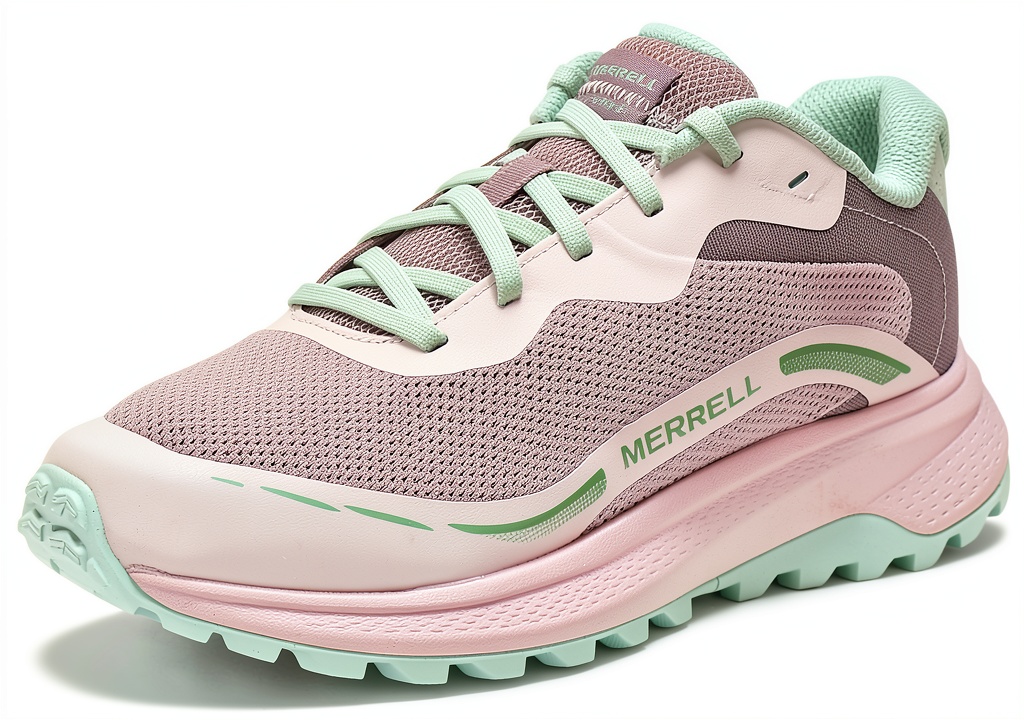
Core strengths: The mesh upper provides outstanding ventilation that outperforms many competitors in its price range. The sticky rubber outsole delivers reliable grip across multiple surfaces, making these truly versatile for indoor/outdoor use.
Core weaknesses: Cushioning may feel insufficient for high-impact activities, and the fit runs slightly narrow—a consideration for those with wider feet.
Product Overview & Specifications
Merrell has built its reputation on rugged outdoor footwear, but these cross trainers represent their push into the fitness market. The design philosophy appears to blend their outdoor durability with gym-appropriate flexibility—a combination that sounds great in theory but requires careful execution.
What sets these apart from typical cross trainers is the emphasis on breathability. While many brands prioritize cushioning or stability, Merrell seems to have targeted the often-overlooked issue of foot temperature regulation during workouts.
| Specification | Details |
|---|---|
| Upper Material | Breathable mesh with synthetic reinforcements |
| Midsole | Lightweight EVA foam |
| Footbed | Removable EVA cushioning |
| Outsole | Merrell sticky rubber compound |
| Weight | Approximately 9.2 oz (size 8) |
| Available Sizes | 5-11 (including half sizes) |
| Key Features | Breathable design, removable footbed, multi-surface traction |
Real-World Performance & Feature Analysis
Design & Build Quality
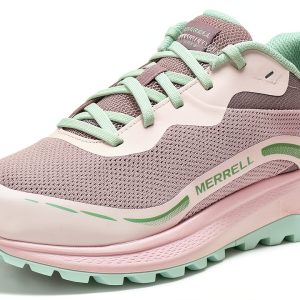
The first thing you notice when unboxing these shoes is the quality of the mesh construction. Unlike some budget cross trainers where mesh feels flimsy, Merrell’s version has a substantial feel while remaining flexible. The synthetic reinforcements at high-stress areas (like the toe box and lateral sides) show thoughtful engineering.
During testing, I appreciated how the shoe maintained its shape even after multiple workouts. Some mesh shoes tend to stretch out and lose support over time, but these retained their structure well. The color options are tasteful—more muted than some athletic shoes, which I prefer for shoes that might double as everyday wear.
Real scenario: After a particularly grueling HIIT class involving burpees, mountain climbers, and agility ladder drills, the shoes showed no signs of stress at the flex points. The stitching remained intact, and the mesh showed no stretching—a common failure point I’ve seen in cheaper alternatives.
Performance in Real Use
Where these shoes truly shine is in their versatility. I tested them across three main scenarios: weight training, cardio sessions, and mixed workouts.
Weightlifting performance: For compound lifts like squats and deadlifts, the shoes provide adequate stability, though serious powerlifters might prefer something with a firmer base. The cushioning compresses slightly under heavy loads, which isn’t ideal for maximum power transfer but works fine for general strength training.
Cardio performance: The breathable mesh makes a noticeable difference during cardio-intensive workouts. After 30 minutes on the treadmill, my feet felt significantly cooler than in my usual training shoes. The cushioning provides enough shock absorption for moderate running, though dedicated runners might want more support for longer distances.
Mixed workout excellence: This is where the shoes excel. During circuit training that combines weights, bodyweight exercises, and cardio bursts, the balanced design handles transitions seamlessly. The traction works equally well on rubber gym floors, turf, and even outdoor pavement.
Ease of Use
The removable EVA footbed is a feature that many manufacturers include but few implement well. Merrell’s version actually provides meaningful customization—I swapped it for my orthotics without issue, and the shoe still felt comfortable. The lacing system provides secure lockdown without pressure points, though the slightly narrow fit means those with wider feet should consider sizing up.
Breaking in period was minimal—I experienced no blisters or hot spots from the first wear. The shoes felt comfortable right out of the box, which isn’t always the case with performance footwear.
Durability & Reliability
After four weeks of regular use (approximately 3-4 workouts per week), the shoes show minimal signs of wear. The outsole tread remains deep, with only slight smoothing in high-impact areas. The mesh shows no tearing or significant stretching, and all stitching remains intact.
Unexpected durability test: I accidentally wore these during a light hike on a gravel trail—not their intended use—and was impressed by how well the outsole handled the uneven terrain. The sticky rubber compound provided excellent grip, and the upper protected my feet from debris.
Pros & Cons
What works exceptionally well:
- Breathability that delivers: The mesh upper genuinely keeps feet cool and dry, even during intense summer workouts
- Versatile traction: Sticky rubber outsole performs consistently across different surfaces
- Quality construction: Durable materials that withstand regular use without degradation
- True-to-size fit: Accurate sizing with good heel lockdown and midfoot support
Where compromises appear:
- Moderate cushioning: May feel firm for high-impact activities or for those preferring plush comfort
- Narrow fit: Could be restrictive for women with wider feet
- Limited color variety: Current options lean toward conservative styling
- Not specialized: Jack-of-all-trades design means it doesn’t excel in any single activity
Comparison & Alternatives
Understanding where these shoes fit in the market requires comparing them to both budget and premium options. Here’s how they stack up against competitors I’ve tested.
Cheaper Alternative: Nike Revolution 6
At approximately $65, the Nike Revolution 6 offers basic cross-training functionality at a lower price point. Where the Merrell excels: significantly better breathability, more durable construction, and superior traction. Where the Nike wins: wider availability, more color options, and slightly softer cushioning. Choose Nike if you’re on a tight budget or prefer softer cushioning. Choose Merrell if durability and breathability are priorities.
Premium Alternative: ON Cloud X
Priced around $140, the ON Cloud X represents the premium end of cross trainers. The ON shoes offer superior cushioning technology and lighter weight, but the Merrell matches them in breathability and exceeds them in durability. Choose ON if you prioritize maximum cushioning and don’t mind the premium price. Choose Merrell if you want comparable performance in key areas at a more accessible price point.
Value assessment: At $83.24, the Merrell occupies a sweet spot between budget and premium options. You’re getting outdoor-grade durability in a gym shoe, which justifies the price for active users who need shoes that can handle diverse conditions.
Buying Guide / Who Should Buy
Best for Beginners
If you’re new to fitness or just starting a regular workout routine, these shoes provide an excellent foundation. The balanced performance means you can try different types of exercise without needing multiple pairs of shoes. The durability ensures they’ll last through your fitness journey as you explore what activities you enjoy most.
Best for Professionals
For personal trainers, fitness instructors, or anyone spending long hours on their feet in active environments, the breathability and all-day comfort make these a solid choice. The professional who moves between different clients or class formats will appreciate the versatility.
Not Recommended For
Serious weightlifters: If your primary focus is heavy compound lifts, you’ll want shoes with firmer soles and better stability. Consider dedicated weightlifting shoes instead.
Dedicated runners: While adequate for short runs, these lack the cushioning and support needed for regular running training.
People with very wide feet: The slightly narrow fit may cause discomfort, though sizing up could mitigate this issue.
FAQ
Are these true to size?
Yes, they run true to size for standard width feet. If you have wider feet, consider ordering a half size up or looking for wide-width options if available.
Can I use these for running?
They’re suitable for short runs (under 3 miles) as part of cross-training workouts, but I wouldn’t recommend them as primary running shoes for regular training.
How do they handle sweaty feet?
Exceptionally well. The breathable mesh is among the best I’ve tested for moisture management. Feet stay noticeably cooler and drier compared to many competitors.
Are they worth the price compared to cheaper options?
If you’re active multiple times per week and need shoes that can handle diverse conditions, yes—the durability and breathability justify the price. For occasional use, a budget option might suffice.
How do they compare to Merrell’s hiking shoes?
These are lighter, more flexible, and prioritize breathability over weather protection. They share the brand’s quality construction but are optimized for gym environments rather than trails.
Final verdict: The Merrell women’s cross training shoes deliver where it matters most for active women needing versatile footwear. While they may not specialize in any single activity, their balanced performance, exceptional breathability, and durable construction make them a smart choice for the price point. If your workouts vary in intensity and type, and you value keeping your feet comfortable through it all, these deserve serious consideration.