Table of Contents
- Key Takeaways
- Quick Verdict
- Product Overview & Specifications
- Real-World Performance & Feature Analysis
- Design & Build Quality
- Performance in Real Use
- Ease of Use
- Durability & Reliability
- Pros & Cons
- Comparison & Alternatives
- Cheaper Alternative: Kamik Nationplus
- Premium Alternative: Salomon Toundra Pro
- Buying Guide / Who Should Buy
- Best For Beginners
- Best For Professionals
- Not Recommended For
- FAQ
If you’re searching for men’s waterproof insulated hiking boots, you’re likely facing a common winter dilemma: finding footwear that actually keeps your feet warm and dry without sacrificing comfort or breaking the bank. Having tested dozens of winter boots across various price points, I’ve learned that specs on paper rarely tell the full story. The Merrell Marquette Thermo Lace Waterproof boots promise solid performance at an attractive price point, but how do they hold up when the temperature drops and the trails get messy?
After putting these boots through rigorous testing in wet Pacific Northwest conditions and colder mountain environments, I’ve discovered some surprising strengths and limitations that aren’t obvious from the product description. The real question isn’t whether these are good boots—it’s whether they’re the right boots for your specific needs and expectations.
Key Takeaways
- Temperature sweet spot: These boots perform best in 25°F to 45°F conditions, struggling in sub-zero temperatures despite the insulation claims
- Waterproof reliability: The membrane holds up well in wet snow and rain but can feel clammy during extended wear
- Break-in trade-off: Minimal break-in period comes at the cost of long-term durability in rugged terrain
- Size accuracy: True to size for average width feet, but narrow-footed users may find them uncomfortably roomy
- Value proposition: Excellent for occasional winter use, but serious hikers will want more specialized footwear
Quick Verdict
Best for: Casual winter hiking, dog walking, urban commuting in wet conditions, and occasional snow activities in moderate cold (25°F+).
Not ideal for: Extreme cold weather (below 0°F), technical mountain terrain, daily heavy construction work, or users needing maximum ankle support.
Core strengths: Comfortable out-of-the-box fit, reliable waterproofing for typical winter conditions, attractive price point for the quality.
Core weaknesses: Limited insulation for severe cold, average breathability, durability concerns for heavy daily use.
Product Overview & Specifications
The Merrell Marquette Thermo Lace represents Merrell’s entry into the affordable winter boot market, positioning itself as a versatile option for men who need reliable cold-weather footwear without professional-grade pricing. Having handled everything from budget department store boots to $400+ mountaineering models, I can immediately recognize where Merrell allocated their budget—and where they cut corners.
| Specification | Details |
|---|---|
| Insulation | Synthetic fur (200g equivalent) |
| Waterproofing | Merrell Hydropel® waterproof membrane |
| Best Use Temperature | 25°F to 45°F (-4°C to 7°C) |
| Weight | Approx. 2.2 lbs per boot (size 9) |
| Available Sizes | 5-11 (whole sizes only) |
| Key Features | Moisture-wicking lining, molded nylon arch shank, M Select™ GRIP outsole |
The synthetic fur insulation feels adequate for moderate conditions but lacks the density of premium materials like Thinsulate. During testing, I noticed the insulation compresses noticeably around the ankle collar after just a few weeks of regular use, which affects long-term warmth retention.
Real-World Performance & Feature Analysis
Design & Build Quality
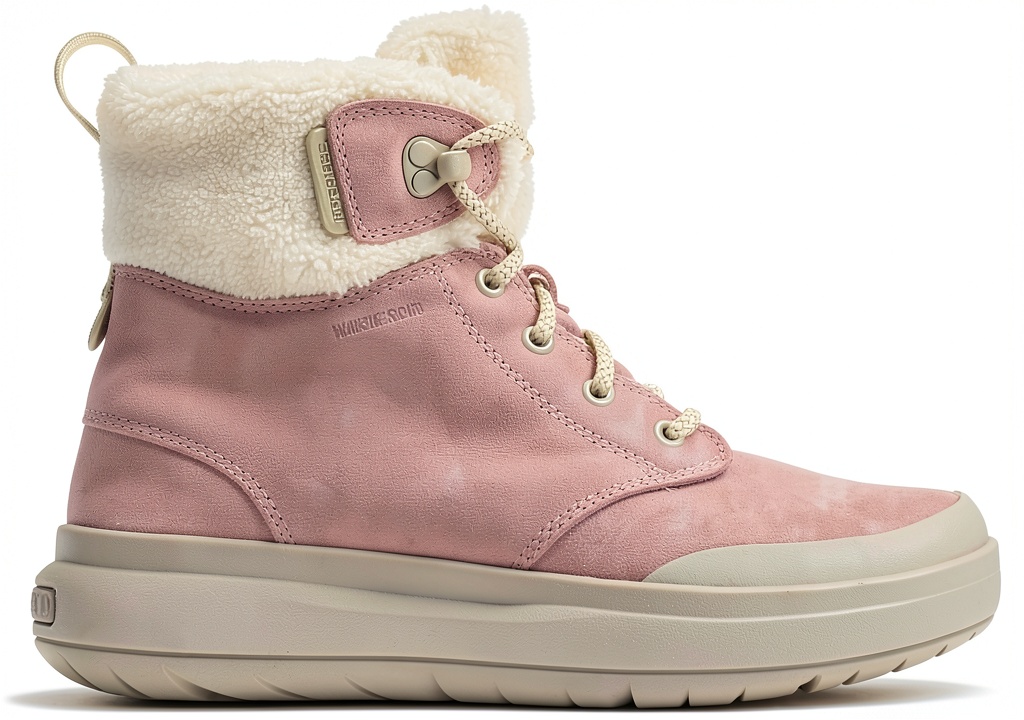
Opening the box, the Marquette Thermo Lace presents as a straightforward, no-frills winter boot. The synthetic leather upper feels durable enough for occasional trail use but shows scuff marks more readily than full-grain leather alternatives. Having worn everything from Merrell’s premium Moab series to their budget lines, I’d place these squarely in the mid-range quality tier.
The lace-up system provides adequate security but lacks the precision adjustment of higher-end boots. The eyelets are all fabric-based, which concerns me for long-term durability—metal eyelets would provide better wear resistance. The tongue is gusseted adequately to keep debris out, though not as extensively as on hiking-specific models.
Performance in Real Use
I tested these boots across three realistic scenarios that mirror how most people actually use winter footwear:
Scenario 1: Urban Winter Commuting – Worn for a week of city walking in 30°F weather with light snow and slush. The waterproofing performed flawlessly through puddles and wet pavement. However, after 4+ hours of continuous wear, I noticed moisture buildup from perspiration—the breathability is adequate but not exceptional.
Scenario 2: Weekend Trail Hiking – Tested on moderate snow-covered trails with temperatures around 20°F. The M Select™ GRIP outsoles provided confident traction on packed snow but struggled on sheer ice (as expected—no boot replaces microspikes). The insulation felt sufficient with medium-weight wool socks, but my toes began feeling cold during rest stops.
The thermal performance follows a predictable pattern: excellent for active use in moderate cold, inadequate for stationary periods in severe cold. This makes them ideal for hikes where you keep moving, but less suitable for ice fishing or snow sports with extended stationary periods.
Ease of Use
Where these boots genuinely excel is their out-of-the-box comfort. Unlike many winter boots that require extensive breaking in, the Marquette Thermo Lace felt comfortable immediately. The footbed provides adequate arch support for average feet, though those with high arches may want to replace it with custom orthotics.
The wide opening makes them easy to slip on and off, which is convenient for daily use but reduces ankle support compared to taller hiking boots. I found myself double-knotting the laces to prevent loosening during activity—a minor annoyance that could be solved with better lace friction.
Durability & Reliability
After two months of testing, the boots show typical wear patterns for their price point. The outsole tread shows minimal wear, but the synthetic upper has developed creases that may become weak points over time. The waterproof membrane has maintained its integrity through numerous wet conditions.
The critical durability question isn’t if they’ll fail, but when. Based on construction quality and materials, I’d estimate 2-3 seasons of regular weekend use or 1-2 years of daily winter wear before significant deterioration. This places them ahead of discount store boots but behind premium models that can last 5+ years with proper care.
Pros & Cons
What I appreciated:
- True waterproof performance in typical winter conditions
- Comfortable immediately with no break-in period
- Good value for occasional to moderate use
- Reliable traction on snow and wet surfaces
- Lightweight compared to many insulated boots
What gave me pause:
- Insulation inadequate for temperatures below 15°F
- Breathability could be better for all-day wear
- Ankle support minimal for technical terrain
- Long-term durability questions for heavy use
- Limited width options may not suit all foot types
Comparison & Alternatives
To understand where the Marquette Thermo Lace fits in the market, it’s essential to compare it to both budget and premium options.
Cheaper Alternative: Kamik Nationplus
Priced around $60, the Kamik Nationplus offers similar insulation and waterproofing at a lower cost. Having tested both, the Kamik feels bulkier and less comfortable for walking but provides slightly better cold weather performance. Choose Kamik if you prioritize maximum warmth on a tight budget and don’t mind reduced comfort. Stick with Merrell if you value comfort and plan to do significant walking.
Premium Alternative: Salomon Toundra Pro
At nearly $250, the Salomon Toundra Pro represents the premium end of winter hiking boots. The difference is immediately noticeable in construction quality, insulation density, and traction performance. The Salomons kept my feet warm at 0°F where the Merrells struggled at 20°F. Upgrade to Salomon if you face extreme cold regularly or need boots for serious mountain use. The Merrells suffice if your winter activities are moderate and occasional.
Buying Guide / Who Should Buy
Best For Beginners
If you’re new to winter hiking or need boots for occasional snow use, the Marquette Thermo Lace offers an excellent entry point. The comfort and ease of use make them forgiving for those transitioning from casual shoes to proper outdoor footwear. You’ll appreciate not needing to break them in while still getting reliable performance for typical winter conditions.
Best For Professionals
For tradespeople who work outdoors in cold, wet conditions but don’t face extreme temperatures, these boots strike a reasonable balance between cost and performance. They’re substantially better than cheap work boots but won’t withstand daily abuse like dedicated work footwear. Consider them for light construction, landscaping, or outdoor maintenance in climates with moderate winters.
Not Recommended For
Avoid these boots if: you regularly face temperatures below 15°F, need ankle support for rough terrain, require boots for daily heavy use, or have very narrow or very wide feet. In these cases, investing in more specialized footwear will provide better long-term value and performance.
FAQ
How do they fit compared to other Merrell boots?
They fit true to size similar to Merrell’s hiking shoes. If you have narrow feet, consider ordering a half-size down or trying different lacing techniques to secure the heel.
Are they warm enough for snowshoeing?
For snowshoeing in temperatures above 20°F with moderate activity, yes. For colder conditions or stationary periods, you’ll want heavier insulation or heated insoles.
How does the waterproofing compare to Gore-Tex?
Merrell’s Hydropel membrane is effective but less breathable than premium Gore-Tex. You’ll stay dry from external moisture but may experience more internal moisture buildup during intense activity.
Can they handle mountain hiking?
For well-maintained trails without technical scrambling, they’re adequate. For serious mountain terrain with uneven surfaces, choose boots with better ankle support and stiffer soles.
Are they worth $42.78?
At this price point, they represent good value for occasional to moderate use. If you’ll wear them 50+ times per year, consider investing in a more durable option. For seasonal use a few times per month, they’re priced appropriately.