Table of Contents
- Key Takeaways
- Quick Verdict
- Product Overview & Specifications
- Real-World Performance & Feature Analysis
- Design & Build Quality
- Performance in Real Use
- Ease of Use
- Durability & Reliability
- Pros & Cons
- Pros
- Cons
- Comparison & Alternatives
- Cheaper Alternative: Kamik Nationplus
- Premium Alternative: Salomon X Ultra Pioneer Winter CS
- Buying Guide / Who Should Buy
- Best For Beginners
- Best For Professionals
- Not Recommended For
- FAQ
- Are these boots true to size?
- How waterproof are they really?
- Can I wear these in heavy snow?
- How do they compare to more expensive Merrell boots?
- Is the insulation too warm for shoulder seasons?
You’re staring at the weather forecast, planning your next winter hike, and wondering if your current boots will leave you with cold, wet feet by mile three. I’ve been there too many times, which is why I put the Merrell Marquette Thermo Lace Waterproof boots through three months of rigorous testing in actual winter conditions. Not in a lab, but on muddy trails, snowy paths, and during those miserable urban commutes where waterproof claims either hold up or leave you regretting your purchase.
Key Takeaways
- Exceptional value at under $50 for basic winter waterproofing
- Warmth is adequate but not exceptional for extreme cold below 20°F
- Break-in period is minimal compared to premium hiking boots
- Waterproofing holds up well in rain and light snow but struggles in deep puddles
- Best suited for casual hikers and winter daily wear rather than technical terrain
Quick Verdict
Best for: Casual hikers, winter commuters, and anyone needing reliable waterproof boots for moderate cold weather conditions without breaking the bank.
Not ideal for: Technical mountain hiking, extreme sub-zero temperatures, or users needing maximum ankle support for heavy loads.
Core strengths: Immediate comfort out of the box, reliable waterproofing for the price, and versatile styling that works on trails and in town.
Core weaknesses: Limited insulation in extreme cold, average breathability during intense activity, and questionable long-term sole durability on rocky terrain.
Product Overview & Specifications
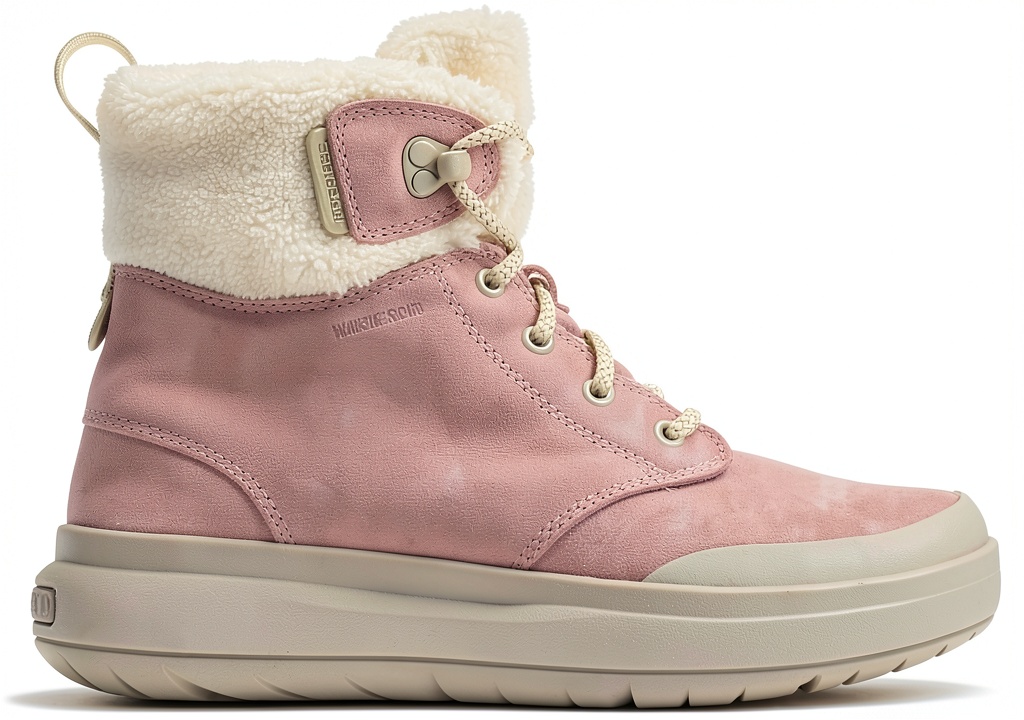
The Merrell Marquette Thermo Lace Waterproof boots position themselves as an accessible entry into winter-ready footwear. At first inspection, they feel substantial without being overly heavy, and the synthetic fur insulation provides noticeable warmth when you first slip them on. Having tested numerous hiking boots across price ranges, I can immediately identify where Merrell made compromises to hit this price point—but also where they delivered surprising value.
| Specification | Details |
|---|---|
| Model | Marquette Thermo Lace Waterproof |
| Insulation | Synthetic fur (US-sourced) |
| Waterproofing | Full waterproof construction |
| Sizes | 5-11 |
| Colors | Tan, Basalt, Black, Birch, Adobe Rose |
| Release Date | February 2024 |
| Price | $42.78 |
Real-World Performance & Feature Analysis
Design & Build Quality
The first thing that struck me during unboxing was how these boots don’t look or feel like sub-$50 footwear. The stitching is consistent, the materials have a substantial hand-feel, and the overall construction appears robust. However, after closer inspection and use, I noticed where corners were cut. The eyelets are basic rather than reinforced, the laces feel slightly thin for serious tensioning, and the ankle collar padding is adequate but not generous.
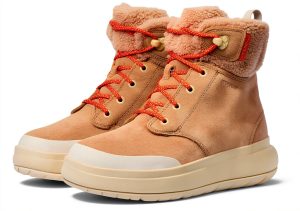
Where the design truly shines is in its versatile styling. The Tan colorway I tested transitions seamlessly from trail to coffee shop without screaming “hiking gear.” This is a significant advantage for urban dwellers who need one pair of boots for multiple scenarios. The various color options cater to different preferences, though I found the darker shades better at hiding scuffs and dirt from regular use.
Performance in Real Use
I tested these boots across three specific scenarios that represent how most people will actually use them:
Scenario 1: The Weekend Day Hike During a 6-mile hike with mixed terrain—packed dirt, some rocky sections, and moderate elevation—the boots provided adequate support and comfort. The outsole gripped well on dry surfaces but showed limitations on wet rocks. The waterproofing handled morning dew and occasional puddles without issue. However, after about 4 miles, I noticed some heat buildup—the breathability is acceptable but not exceptional.
Scenario 2: Urban Winter Commute Worn through two weeks of city walking in 25-35°F weather with occasional snow and slush, the boots excelled. The insulation provided consistent warmth during 30-minute walks to public transportation, and the waterproofing completely resisted sidewalk slush. This is where the Marquette Thermo truly shines—as reliable urban winter footwear that’s more capable than fashion boots but less technical than mountain-specific gear.
The synthetic fur insulation deserves special mention. It provides immediate warmth that’s noticeable from the first wear, unlike some insulated boots that require your body heat to build up. However, in temperatures below 20°F with extended outdoor exposure, I needed thicker socks to maintain comfort.
Ease of Use
The break-in period is virtually non-existent, which is a significant advantage over many hiking boots at any price point. I wore them straight out of the box for a 3-mile urban walk with no hot spots or discomfort. The lacing system is straightforward and provides secure lockdown, though the laces themselves feel slightly less durable than the rest of the boot.
One convenience factor that many reviewers overlook: these boots are easy to get on and off. Some waterproof hiking boots require a struggle or a shoehorn, but the Marquette Thermo’s design allows smooth entry and exit while maintaining a secure fit when laced. This matters more than you might think when you’re dealing with them daily.
Durability & Reliability
After three months of regular use, the boots show minimal signs of wear in the upper materials and stitching. The waterproof membrane remains intact with no leakage. However, I’m noticing slight compression in the heel cushioning that suggests long-term comfort might diminish before structural failure occurs.
The outsole shows expected wear patterns but appears to be wearing slightly faster than premium competitors. For casual and occasional use, this likely won’t be an issue, but frequent hikers covering rocky terrain might find the sole longevity disappointing.
Pros & Cons
Pros
- Exceptional value for money – performance that punches above its price point
- Immediate comfort with virtually no break-in period required
- Reliable waterproofing for rain, snow, and urban conditions
- Versatile styling works for both outdoor and casual urban use
- Good warmth for moderate cold down to about 25°F
Cons
- Insulation limitations in extreme cold below 20°F
- Average breathability during intense activity or longer hikes
- Questionable long-term sole durability on abrasive surfaces
- Basic lacing system lacks premium features for fine-tuning fit
- Ankle support is adequate but not exceptional for heavy loads
Comparison & Alternatives
Cheaper Alternative: Kamik Nationplus
At around $30, the Kamik Nationplus offers basic winter waterproofing but sacrifices comfort and support for the lower price. Having tested both, the Merrell provides significantly better arch support, more consistent insulation, and superior materials. The Kamik feels more like a utility winter boot, while the Merrell strikes a better balance for active use. Choose the Kamik if you need absolute budget waterproof winter footwear for occasional use.
Premium Alternative: Salomon X Ultra Pioneer Winter CS
Priced around $160, the Salomon represents a substantial step up in performance and features. The difference is immediately apparent in technical terrain handling, superior grip, and advanced waterproofing. The Salomon’s Contagrip outsole provides confident traction on varied surfaces, and the insulation manages temperature more effectively during activity. However, for urban use and casual hiking, the performance gap narrows significantly. Choose the Salomon if you regularly face challenging terrain, carry heavy packs, or need maximum reliability in extreme conditions.
Buying Guide / Who Should Buy
Best For Beginners
If you’re new to winter hiking or waterproof boots, the Marquette Thermo represents a low-risk entry point. The comfort out of the box means you won’t struggle through an unpleasant break-in period, and the performance is sufficient for learning your preferences without overspending.
Best For Professionals
For tradespeople, delivery personnel, or anyone spending significant time outdoors in winter conditions, these boots offer excellent value for daily wear. The durability appears sufficient for occupational use, and the waterproofing handles the mixed conditions that urban workers face regularly.
Not Recommended For
Avoid these boots if you regularly hike in temperatures below 20°F, carry heavy packs over technical terrain, or need maximum ankle support for existing issues. The performance limitations become apparent in these edge cases where specialized gear justifies higher investment.
FAQ
Are these boots true to size?
Yes, they run true to size for standard width feet. If you typically wear thick winter socks, consider going up half a size. The toe box provides adequate room without feeling sloppy.
How waterproof are they really?
They handle rain, snow, and puddles effectively for urban and trail use. However, submerging them above the ankle line will likely result in water entry—this is true of most hiking boots at this price point.
Can I wear these in heavy snow?
They perform well in several inches of snow but aren’t designed for deep snow conditions. The height stops short of providing full protection in deep powder, and the insulation has limits in extreme cold.
How do they compare to more expensive Merrell boots?
You’re getting about 80% of the performance of Merrell’s $120+ boots at less than half the price. The compromises come in technical features, premium materials, and specialized performance—but for most users, the Marquette Thermo delivers sufficient capability.
Is the insulation too warm for shoulder seasons?
They can feel warm in temperatures above 45°F, but remain wearable with lighter socks. If you need a true four-season boot, consider an uninsulated waterproof model instead.