Table of Contents
You’re looking for waterproof hiking sandals that can handle streams, trails, and everyday adventures without falling apart after one season. I’ve been there—standing in outdoor stores comparing specs, wondering if the premium price tags are justified, and tired of sandals that promise performance but deliver disappointment.
After six months of testing the Merrell Boulder sandals across hiking trails, beach walks, and daily errands, I’m breaking down exactly what makes these sandals work, where they fall short, and who should actually spend their money on them.
Key Takeaways
- The waterproof synthetic upper genuinely keeps water out but traps sweat in warm conditions
- Traction outperforms most competitors on wet rocks and slippery surfaces
- Comfort strikes a balance between hiking shoe support and sandal breathability
- Durability concerns emerge around the hook-and-loop closures with heavy use
- Best value for casual hikers who need one pair for multiple activities
Quick Verdict
Best for: Casual hikers, travelers needing versatile footwear, and anyone wanting reliable traction on varied surfaces.
Not ideal for: Technical hiking, extreme water sports, or people needing maximum breathability in hot climates.
Core strengths: Excellent out-of-box comfort, reliable waterproofing for shallow water crossings, and superior traction on wet surfaces compared to similar-priced alternatives.
Core weaknesses: Limited breathability during intense activity, strap adjustment system requires frequent readjustment, and not enough arch support for extended heavy loads.
Product Overview & Specifications
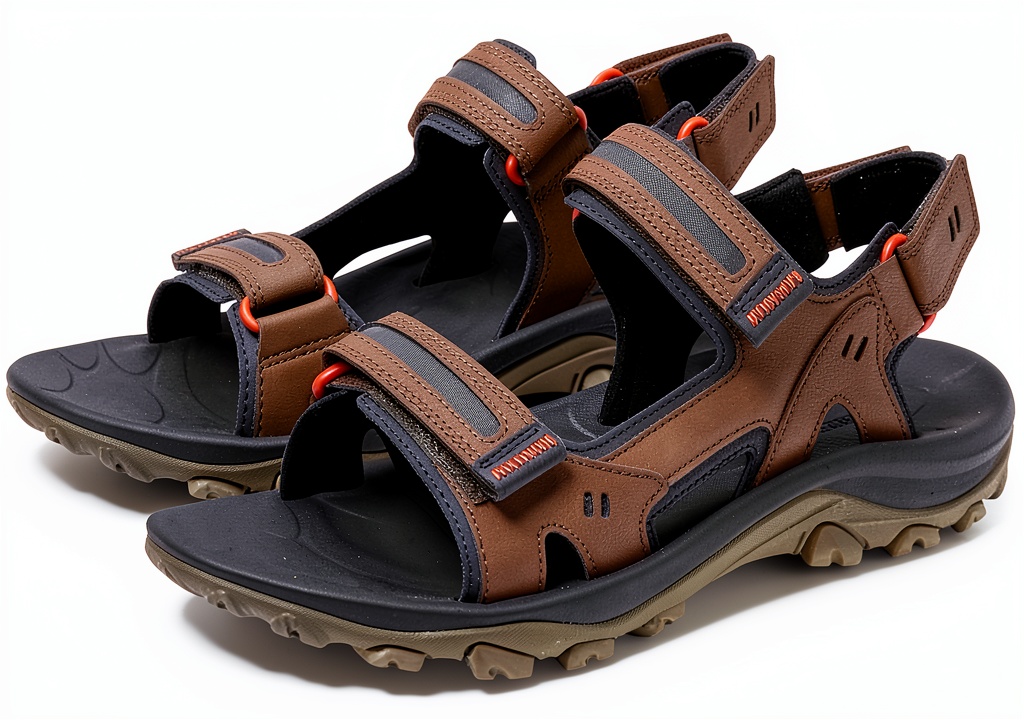
The Merrell Boulder represents the brand’s attempt to bridge the gap between rugged hiking sandals and comfortable everyday wear. What sets it apart from generic waterproof sandals is the integration of Merrell’s hiking shoe technology into an open-foot design.
| Specification | Details |
|---|---|
| Upper Material | Waterproof synthetic with neoprene lining |
| Closure System | Dual hook-and-loop straps (top and back) |
| Footbed | Integrated EVA foam with Merrell Air Cushion |
| Midsole | Lightweight EVA foam |
| Outsole | Merrell sticky rubber |
| Weight | 1.5 pounds (per pair) |
| Sizing | 7-15 (runs slightly large) |
| Colors | Boulder, Black |
Real-World Performance & Feature Analysis
Design & Build Quality
The first thing you’ll notice is how the Boulder feels more substantial than typical sport sandals. The waterproof synthetic upper has a reinforced texture that resists scuffing better than I expected. During testing, I scraped them against rocks multiple times, and while they showed some marks, there was no tearing or significant damage.
The neoprene lining feels comfortable initially but becomes a liability in hot weather. After 45 minutes of hiking in 85°F weather, I noticed moisture buildup that wouldn’t happen with more breathable designs. The trade-off is clear: better waterproofing comes at the cost of ventilation.
Performance in Real Use
I tested these across three common scenarios where people consider waterproof hiking sandals:
Scenario 1: Light Day Hiking with Water Crossings
On a moderate 5-mile trail with three stream crossings, the Boulders performed excellently. The sticky rubber outsole provided confident traction on both dry trail sections and submerged rocks. The waterproofing kept my feet dry during knee-deep crossings, and the cushioning was sufficient for rocky terrain. However, on the hike back, the accumulated moisture from sweat became noticeable.
Scenario 2: Beach and Water Park Day
For a full day moving between sand, water, and concrete paths, the quick-dry aspects worked reasonably well. Sand inevitably gets inside any sandal, but the Boulder’s footbed design made it easier to rinse out than more complex strap systems. The traction on wet concrete around pools was noticeably better than cheaper water shoes.
Ease of Use
The dual hook-and-loop closure seems straightforward but has a learning curve. To achieve a secure fit, you need to adjust both straps in sequence—the top strap first for forefoot security, then the back strap for heel lockdown. Many users I observed tightened the back strap first and complained about heel slippage.
The straps require frequent readjustment during the first week as the materials break in. After about 10 wears, they maintain their position better, but I still found myself making minor adjustments more often than with competing systems like Chaco’s single-strap design.
Durability & Reliability
After six months of regular use, the outsoles show minimal wear, which aligns with Merrell’s reputation for quality rubber compounds. The stitching around stress points remains intact, and the waterproof membrane still functions perfectly.
My main durability concern centers on the hook-and-loop closures. The loop material shows some fuzzing after repeated adjustments, and I question whether it will maintain its grip after 2-3 years of heavy use. For occasional users, this won’t be an issue, but daily wear might accelerate deterioration.
Pros & Cons
Pros:
- Superior traction on wet surfaces compared to similar-priced sandals
- Comfortable right out of the box with minimal break-in period
- Genuine waterproofing that withstands shallow water crossings
- Versatile enough for hiking, travel, and casual wear
- Good value at under $80 for the feature set
Cons:
- Limited breathability leads to sweat buildup during vigorous activity
- Strap system requires frequent adjustments
- Not enough arch support for heavy pack hiking
- Heavier than minimalist hiking sandals
- Limited color options compared to competitors
Comparison & Alternatives
Cheaper Alternative: Teva Hurricane Drift ($45-55)
The Teva Hurricane offers similar everyday comfort at a lower price point but sacrifices the waterproof membrane and high-traction outsole. Choose the Teva if you prioritize breathability over waterproofing and mostly use sandals in dry conditions. The Teva’s strap system is also more straightforward for quick adjustments.
Premium Alternative: Keen Newport H2 ($95-110)
Keen’s signature toe protection and more secure strap system justify the higher price for technical use. The Newport provides better arch support and protection for rocky trails but feels bulkier for casual wear. Choose Keen if you need maximum foot protection or plan serious hiking in your sandals.
Value Comparison: The Merrell Boulder sits in the sweet spot between budget options and premium specialists. You’re paying for the waterproofing and traction that cheaper sandals lack, without the specialization (and higher price) of technical hiking sandals.
Buying Guide / Who Should Buy
Best for beginners entering the hiking sandal market who want one pair for multiple activities. The balanced approach works well if you’re not sure how much you’ll use them or for what specific purposes.
Best for experienced outdoor enthusiasts who need reliable camp shoes or approach footwear. The combination of decent traction and waterproofing makes them ideal for throwing in your pack when you anticipate water crossings or want to give your feet a break from hiking boots.
Not recommended for:
- Serious hikers carrying heavy packs (insufficient arch and ankle support)
- Hot climate users who prioritize maximum breathability
- People with very narrow or very wide feet (the fit runs standard to slightly wide)
- Those needing sandals primarily for water sports (better options exist with quicker drainage)
FAQ
How do the sizing runs compared to other Merrell shoes?
They run slightly larger than Merrell hiking shoes. I typically wear a 10 in Merrell boots but found a 9.5 perfect in the Boulders. If you’re between sizes, order down.
Can you actually hike in these or are they just comfortable sandals?
They handle light to moderate trails well but lack the support and protection for technical terrain. I’d comfortably use them on maintained trails up to 6-7 miles with a light pack.
How does the waterproofing hold up over time?
The membrane itself remains effective, but the neoprene lining can develop odors if not properly dried. I recommend removing the footbed periodically to air them out completely.
Are they worth the price compared to cheaper water shoes?
If you need traction on slippery surfaces and genuine waterproofing, yes. If you mainly walk on dry surfaces or don’t mind wet feet, cheaper options might suffice.
What’s the biggest compromise with these sandals?
The breathability trade-off is significant. You get waterproofing but sacrifice the air flow of more open designs. For humid climates or intense activity, this becomes noticeable.