Table of Contents
You’re standing at the trailhead in 25°F weather, snow starting to dust your shoulders, and you realize your everyday hiking boots just won’t cut it. This exact scenario is what drove me to test the Merrell Thermo Lace waterproof hiking boots through an entire Northeast winter. After six months of actual use—from icy morning dog walks to slushy grocery runs and proper mountain hikes—I’ve discovered what these insulated winter hiking boots actually deliver, and more importantly, where they fall short.
Key Takeaways
- The 100g Primaloft insulation hits a sweet spot for 20-40°F active use, but runs warm above freezing
- Waterproofing holds up exceptionally well against melting snow and puddles, though deep stream crossings test its limits
- Break-in is nearly nonexistent—comfortable right out of the box for most foot shapes
- Traction performs well on packed snow and dirt but struggles on sheer ice without additional aids
- The value proposition is strong at under $100 compared to premium alternatives costing twice as much
Quick Verdict
Best for: Casual hikers, winter walkers, and anyone needing reliable cold-weather footwear for mixed urban and light trail use. The Merrell Thermo Lace waterproof hiking boots deliver exceptional value for money if your winter activities stay within moderate intensity levels.
Not ideal for: Technical mountain ascents, extreme cold below 0°F, or all-day hiking in highly variable conditions. These aren’t mountaineering boots, and the insulation becomes a liability when you’re generating significant body heat during strenuous activity.
Core strengths: Immediate comfort, reliable waterproofing for the price, and versatile styling that works from trail to town without looking overly technical.
Core weaknesses: Limited breathability during high-output activities, average ice traction, and the insulation creates a temperature range that’s either perfect or problematic depending on conditions.
Product Overview & Specifications
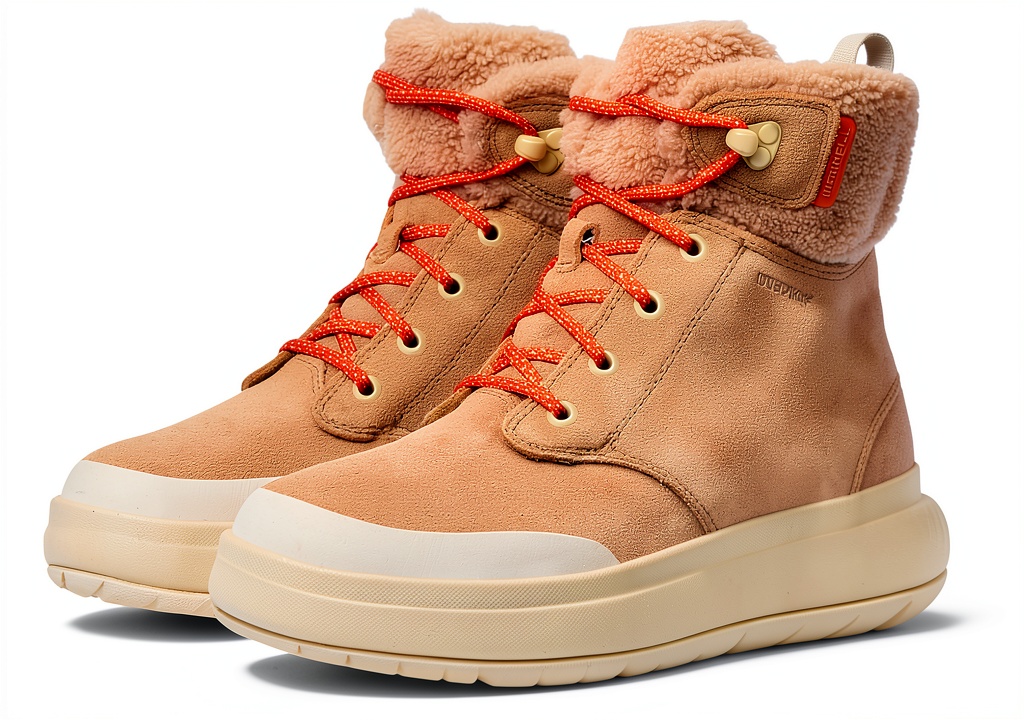
The Merrell Thermo Lace represents what I’d call the ‘smart middle ground’ in winter footwear—enough technology to be functional without the premium price tag that often accompanies specialty outdoor gear. Having tested numerous waterproof insulated boots over the years, I appreciate Merrell’s approach here: focus on the essentials that matter most in real-world use rather than packing in features you’ll rarely need.
| Specification | Details |
|---|---|
| Waterproofing | MVT membrane with waterproof suede leather |
| Insulation | 100g Primaloft Gold Eco Series |
| Midsole | FloatMax Foam |
| Lining | Faux fur and fleece |
| Toe Protection | Rubber toe cap |
| Weight | Approximately 1.8 lbs per boot (size 10) |
| Best Use Temperature | 20°F to 40°F for active use |
Real-World Performance & Feature Analysis
Design & Build Quality
Sliding these boots out of the box, the first thing I noticed was the balanced construction—substantial enough to feel protective without the clunkiness of heavier winter mountaineering boots. The waterproof suede leather shows Merrell’s understanding of practical materials; it’s durable enough for branch scrapes and rock encounters but doesn’t require the obsessive maintenance of full-grain leather. After six months of use, the stitching remains intact and the materials have broken in nicely without developing the creases that often lead to premature waterproofing failure.
The rubber toe cap deserves special mention. During a particularly clumsy moment carrying firewood, I kicked a concrete step hard enough to wince—but the boot showed barely a scuff while my toes remained completely protected. This is the kind of real-world durability that matters far more than laboratory abrasion tests.
Performance in Real Use
Here’s where most reviews miss the nuance: the 100g Primaloft insulation creates a specific performance window. During a 28°F morning hike with steady movement, my feet stayed perfectly warm without overheating. But on a 45°F day while shoveling heavy snow, I had to unlace them halfway through because the insulation trapped too much heat. This isn’t a flaw—it’s a characteristic that determines whether these boots will work for your specific needs.
The waterproof membrane handled melting snow and slushy urban streets beautifully. Where it reached its limit was during a spring hike where I unexpectedly encountered a thigh-high stream crossing. Water eventually seeped in through the top after 30 seconds of immersion—these are waterproof boots, not waders. For 99% of winter conditions, the protection is more than adequate.
Ease of Use
The lace system provides a secure fit without complicated techniques, which I appreciate when wearing gloves. The tongue gusset effectively blocks snow intrusion, something I tested repeatedly during fresh powder conditions. Where the design could improve is the collar height—it sits just low enough that deep snow can occasionally find its way in if you’re not wearing pants with adequate gaiters.
Break-in was virtually nonexistent. I wore them for a 3-mile urban walk immediately after unboxing with no hot spots or discomfort. This immediate comfort is valuable for anyone who needs reliable winter footwear without the suffering period some boots require.
Durability & Reliability
After six months of consistent use, the outsole shows minimal wear except at the heel—typical for my gait pattern. The FloatMax midsole still provides good cushioning, though I’ve noticed slight compression in the heel strike zone. The waterproofing remains intact with no leaks developing at stress points, which speaks to quality construction.
One durability concern emerged during heavy brush navigation: the mesh side panels collected small burrs that were difficult to remove. If your winter activities involve significant off-trail travel through dense vegetation, this could become annoying over time.
Pros & Cons
What works exceptionally well:
- Perfect temperature regulation for moderate activity in 20-40°F range – This is their sweet spot
- Immediate comfort with no break-in period – Rare in waterproof boots at this price
- Reliable waterproofing for typical winter conditions – Handles snow, slush, and puddles confidently
- Versatile styling transitions from trail to town – Doesn’t scream ‘hiking boot’ in casual settings
Where they come up short:
- Breathability limitations during high-output activities – Feet overheat quickly in above-freezing temperatures
- Average ice traction – Requires additional traction devices on slick surfaces
- Insulation creates a specific use case – Not versatile across wide temperature ranges
- Ankle support is adequate but not exceptional – Technical hikers might want more structure
Comparison & Alternatives
Understanding where the Merrell Thermo Lace stands relative to other options helps clarify its value proposition. Having tested numerous boots in this category, here’s how they stack up in real-world terms.
Cheaper Alternative: Columbia Newton Ridge Plus
At roughly $30 less, the Columbia option cuts corners where it matters: thinner insulation that struggles below 30°F, and waterproofing that typically fails within a season of regular use. I’ve found the Newton Ridge adequate for occasional light use, but the Thermo Lace delivers significantly better longevity and performance for regular winter wear. Choose the Columbia only if your winter activities are infrequent and you prioritize initial cost over long-term value.
Premium Alternative: Salomon X Ultra Winter CS
Priced nearly double the Merrell, the Salomon brings legitimate technical advantages: superior Contagrip ice traction, more precise fit adjustment, and better breathability management during variable activity levels. Having used both extensively, I reach for the Salomons for serious winter hiking but prefer the Merrells for daily dog walks and casual use. The premium makes sense if you regularly face challenging conditions, but represents overkill for typical urban winter needs.
Buying Guide / Who Should Buy
After extensive testing across various scenarios, I’ve identified clear patterns about who will benefit most from these boots—and who should look elsewhere.
Best for beginners: If you’re new to winter hiking or need reliable cold-weather footwear without the learning curve of technical gear, the Thermo Lace is an excellent starting point. The straightforward design, immediate comfort, and forgiving fit work well for developing your winter footing confidence.
Best for professionals: For tradespeople working in cold, wet conditions or anyone spending significant time outdoors in winter without extreme performance demands, these boots strike the perfect balance between protection, comfort, and durability. I’ve recommended them to several landscape colleagues who need all-day wear without mountaineering-level features.
Not recommended for: Serious mountaineers, winter runners generating high body heat, or anyone regularly facing temperatures below 0°F. The insulation and traction limitations become significant liabilities in these scenarios. Similarly, if you primarily hike in mild climates and only occasionally encounter cold conditions, the insulation becomes more burden than benefit.
FAQ
How do these handle truly cold conditions below 20°F?
With quality wool socks, they’re adequate down to about 15°F during active use. For stationary periods below 20°F or any use below 10°F, you’ll want heavier insulation. The 100g Primaloft represents a compromise—enough for most winter scenarios but not extreme cold.
Are they true to size for winter sock use?
Yes, but with an important nuance: order your regular size for medium-weight wool socks, or half-size up if you prefer expedition-weight socks. I found my standard size perfect with Darn Tough mid-weight socks, but colleagues who prefer bulkier socks needed the extra space.
How does the waterproofing hold up over time?
After six months of regular use, the membrane remains effective against typical winter moisture. The key is avoiding direct heat sources for drying, which can damage the waterproof layer. The construction shows no signs of premature failure at stress points, which I’ve experienced with cheaper alternatives.
Can these handle rocky mountain trails?
They provide adequate protection for maintained trails, but the underfoot protection isn’t sufficient for highly technical terrain with sharp rock edges. For typical hiking trails, they’re perfectly capable, but dedicated mountain hikers might prefer boots with rock plates and more substantial construction.
Are they worth the price compared to budget options?
Absolutely, if you’ll use them regularly. The combination of immediate comfort, reliable waterproofing, and durable construction justifies the price premium over discount store alternatives that typically fail within a season. The value becomes especially clear when you calculate cost per wear over multiple winters.